 Skip to content

Picture this: You’re standing on Maracas Beach at dawn, watching the sun pierce through the Caribbean horizon whilst trade winds dance through the coconut palms. What you’re witnessing isn’t merely nature’s daily spectacle—it’s an untapped symphony of renewable energy resources that could revolutionise how Trinidad and Tobago powers its future. In a world where energy conversations have shifted from mere convenience to urgent necessity, understanding renewable energy isn’t just trendy—it’s absolutely essential.
What is Renewable Energy?
What is renewable energy in simple words? Think of it as nature’s endless gift that keeps on giving. Renewable energy is power derived from naturally replenishing sources that won’t run out, no matter how much we use them. Unlike fossil fuels, which took millions of years to form and can be exhausted, renewable energy sources regenerate continuously through natural processes.
The United Nations defines renewable energy as energy derived from natural sources that are replenished at a higher rate than they’re consumed. For Trinidad and Tobago, a nation blessed with abundant sunshine and consistent trade winds, this definition takes on particular significance.
What does renewable mean in short? Simply put, it means “able to be renewed” or “capable of being replenished naturally.” When we talk about renewable energy resources examples, we’re discussing power sources that Mother Nature continuously restocks for us—like a cosmic credit account that never runs dry.

What are the 7 Types of Renewable Energy?
1. Solar Energy: The Caribbean’s Golden Opportunity
Solar power harnesses sunlight through photovoltaic cells or solar thermal systems. For Trinidad and Tobago, positioned perfectly in the tropical belt, solar energy represents perhaps our most abundant renewable resource. The Ministry of Energy and Energy Industries recognises solar as a key component of our renewable energy strategy.
2. Wind Energy: Catching the Trade Winds
Those consistent Caribbean trade winds that provide natural air conditioning? They’re also perfect for generating electricity through wind turbines. What is the best renewable energy source? For many Caribbean islands, wind power competes closely with solar for this title.
3. Hydroelectric Power: Rivers and Rainfall
Converting flowing water into electricity, hydroelectric power has been reliably generating clean energy for decades. While Trinidad and Tobago’s topography differs from mountainous regions, small-scale hydro projects can still contribute to our renewable portfolio.
4. Geothermal Energy: Earth’s Inner Heat
Geothermal systems tap into the Earth’s internal heat. Though not as geologically active as some regions, emerging technologies are making geothermal more accessible globally.
5. Biomass Energy: From Waste to Watts
Converting organic materials—agricultural waste, wood chips, even algae—into energy. For our twin-island republic with significant agricultural activity, biomass represents an intriguing circular economy opportunity.
6. Tidal and Wave Energy: Ocean Power
Harnessing the ocean’s movements for electricity generation. Surrounded by water, Trinidad and Tobago could potentially explore these marine energy sources as technology advances.
7. Hydrogen Energy: The Future Fuel
Clean hydrogen, produced using renewable electricity, offers versatility as both energy storage and transportation fuel—a technology gaining momentum worldwide.
Why is it called Renewable Energy?
It is called renewable energy because these sources naturally regenerate faster than we can consume them—unlike oil and gas, which once depleted, are gone forever. For a nation such as Trinidad that has been historically dependent on hydrocarbon exports, understanding this distinction is crucial.
What are the Benefits of Renewable Energy to the Environment?
The advantages are compelling:
- Zero Carbon Emissions: During operation, renewable sources produce no greenhouse gases
- Air Quality Improvement: Eliminating fossil fuel combustion reduces air pollution
- Water Conservation: Most renewables require minimal water compared to conventional power plants
- Ecosystem Preservation: Reducing extraction pressures on natural environments

The Economic Engine: Advantages of Renewable Energy
What are the advantages of using renewable energy? Beyond environmental benefits, renewables offer compelling economic incentives:
| Advantage | Description | Trinidad & Tobago Impact |
|---|---|---|
| Energy Independence | Reduced reliance on fuel imports | Strengthened energy security |
| Price Stability | Fuel costs eliminated | Protection from volatile oil prices |
| Job Creation | Installation and maintenance opportunities | Local employment growth |
| Export Diversification | New revenue streams | Economic resilience building |
| Healthcare Savings | Reduced pollution-related illness | Lower public health costs |
Ready to Explore Renewable Energy Options for your Home or Business?
Contact IGECON for your personalised assessment Today. We are local renewable energy installers that specialise in renewable energy applications such as solar power installation.
Click Here to Call Us at: +18687708573
Click Here to Whatsapp Us at: +18687708573
Click Here to Email Us at: igecon_limited@yahoo.com
Renewable Energy Systems: How They Work
What renewable energy is becomes clearer when you understand the systems involved. These aren’t just individual technologies—they’re integrated systems designed to capture, convert, and distribute clean energy efficiently.
Modern renewable energy systems often combine multiple sources. For instance, a Caribbean resort might integrate solar panels for daytime power, battery storage for evening use, and backup wind turbines for cloudy periods. This approach, called hybrid renewable systems, maximises reliability whilst minimising costs.
Challenges and Realities: What Are the Problems?
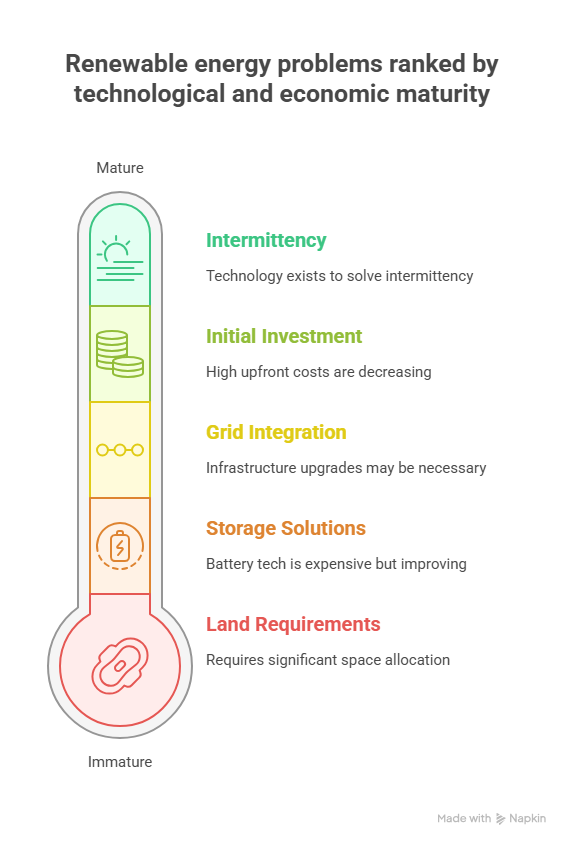
What are the problems faced by renewable energy? Honesty demands acknowledging the hurdles:
- Intermittency: Solar doesn’t work at night; wind doesn’t always blow
- Initial Investment: Higher upfront costs compared to conventional systems
- Grid Integration: Existing infrastructure may require upgrades
- Storage Solutions: Battery technology, whilst improving, remains expensive
- Land Requirements: Some renewable installations need significant space
However, these challenges are rapidly diminishing as technology advances and costs plummet.
Trinidad and Tobago’s Renewable Future
Renewable energy Trinidad initiatives are gaining momentum. Our government has established ambitious targets for increasing renewable energy’s share in our energy mix. The combination of our natural resources—abundant sunshine, consistent trade winds, and growing biomass potential—positions us favorably for this transition.
What is the cleanest energy source? While each renewable source has merits, solar and wind consistently rank among the cleanest, producing zero emissions during operation and having relatively low lifecycle environmental impacts.
Making It Personal: Your Role in the Renewable Revolution
Is oil a renewable energy source? No—and this distinction matters profoundly for our future. Oil, gas, and coal are finite resources that took millions of years to form. Once we’ve used them, they’re gone. Renewable sources, by contrast, replenish naturally and continuously.
Why do we need renewable and non-renewable energy? Currently, we need both. The transition to renewables is a journey, not an overnight switch. During this transition period, we’ll use a mix of energy sources whilst gradually increasing our renewable capacity.

The Technology Revolution: What’s Possible Today
What is the most successful renewable energy? Globally, hydroelectric power generates the most renewable electricity, but solar photovoltaic technology is experiencing the fastest growth. For Trinidad and Tobago specifically, solar and wind technologies offer the most immediate potential.
How long can renewable energy be stored? Modern battery systems can store renewable energy for hours to days, whilst emerging technologies like hydrogen storage could provide seasonal energy storage solutions. This addresses one of renewables’ primary challenges—ensuring power availability when natural sources aren’t actively generating.
Economic Opportunities: Beyond Just Electricity
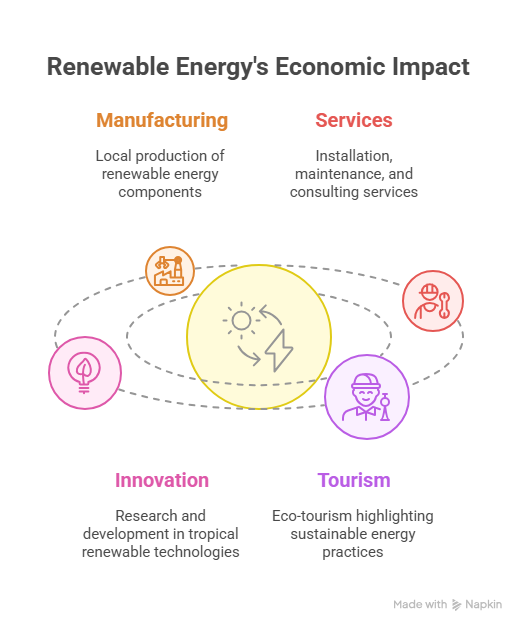
The renewable energy meaning extends far beyond simply generating electricity. It represents economic transformation opportunities:
- Manufacturing: Producing renewable energy components locally
- Services: Installation, maintenance, and consulting services
- Innovation: Research and development in tropical renewable technologies
- Tourism: Eco-tourism highlighting sustainable energy practices
Future Trends: What’s Next for Renewable Energy?
What is the fastest growing renewable energy source? Solar photovoltaic technology has consistently shown the highest growth rates globally. Costs have plummeted by over 80% in the past decade, making solar increasingly competitive with traditional energy sources.
How to promote renewable energy? Several strategies prove effective:
- Government incentives and policies supporting renewable adoption
- Public education about renewable energy benefits
- Financing mechanisms making renewables accessible to more people
- Grid infrastructure improvements supporting renewable integration
- Research and development investments in renewable technologies
The Bottom Line: Your Energy Future Starts Now
Standing at the crossroads between our hydrocarbon past and renewable future, Trinidad and Tobago faces both tremendous opportunity and crucial decisions. Understanding what renewable energy means—not just as a concept, but as a practical solution to our energy needs—empowers you to participate in conversations shaping our nation’s future.
The question isn’t whether renewable energy will become dominant—it’s how quickly we’ll embrace this transition and how effectively we’ll position ourselves to benefit from it. Whether you’re a homeowner considering solar panels, a business owner exploring renewable options, or simply a concerned citizen wanting to understand these changes, your engagement with renewable energy matters.
Is battery storage renewable energy? Strictly speaking, batteries store energy rather than generate it, but they’re essential for maximising renewable energy effectiveness. Modern battery systems make renewable energy more reliable and practical for everyday use.
The renewable energy revolution isn’t just about changing how we generate power—it’s about reimagining our relationship with energy itself. From the sun that rises over Tobago’s shores to the winds that whisper through Port of Spain’s hills, our renewable future surrounds us, waiting to be harnessed.
Your journey into renewable energy starts with understanding, continues with engagement, and culminates with action. The future of Trinidad and Tobago’s energy independence—and our contribution to global climate solutions—depends on choices we make today.
Ready to explore renewable energy options for your home or business? Contact local renewable energy installers for personalised assessments, or visit the Ministry of Energy and Energy Industries for current incentive programmes and policy updates.


