 Skip to content

Picture this: You’re lounging on your verandah in Port of Spain, watching the crimson Caribbean sunset paint the sky, while your home runs entirely on the very sunshine that blessed your day. It’s not a fantasy—it’s the reality that thousands of Trinidadians are embracing through solar power. In a nation where the sun blazes with reliable intensity year-round, solar panels aren’t just an environmental statement; they’re becoming the sophisticated choice for the energy-conscious homeowner who values both sustainability and smart economics.
Like a perfectly tailored suit that adapts to every occasion, solar panel Trinidad installations are transforming how we think about energy in the twin-island republic. The question isn’t whether solar makes sense in our tropical paradise—it’s how quickly you can join the renewable energy revolution that’s reshaping the Caribbean landscape.
Why Trinidad is Perfect for Solar Panel Installations
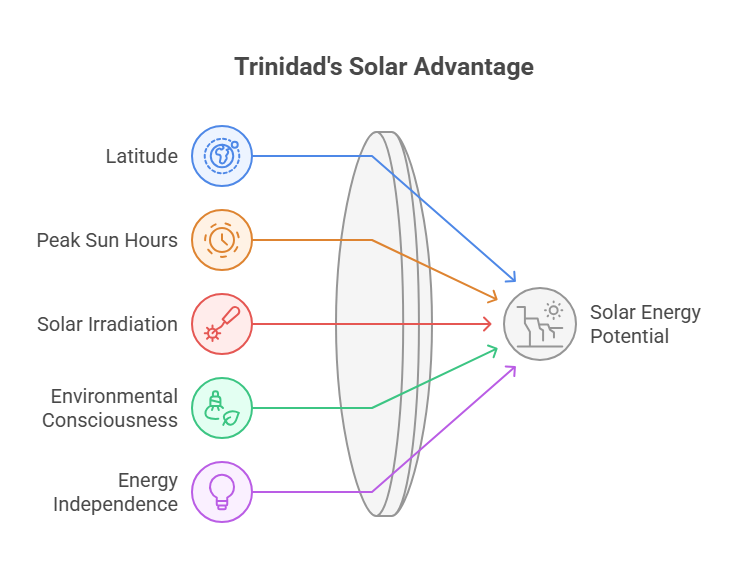
Trinidad and Tobago sits in an enviable position—literally. Our location between 10° and 11° North latitude places us in the sweet spot for solar energy generation, receiving approximately 5-6 peak sun hours daily throughout the year. Unlike our temperate counterparts who wrestle with seasonal variations, we enjoy consistent solar irradiance that would make any renewable energy enthusiast green with envy.
The numbers tell a compelling story. With average daily solar irradiation ranging from 4.5 to 6.0 kWh/m², Trinidad offers some of the most favourable conditions for solar energy generation in the Caribbean. This isn’t just about being environmentally conscious—though that’s certainly part of the appeal—it’s about making a calculated investment in energy independence.
Solar Panel Costs in Trinidad and Tobago
When discussing solar panel Trinidad prices, we’re looking at an investment that pays dividends for decades. Current market rates for residential solar installations typically range from TT$15,000 to TT$50,000 for complete systems, depending on your energy requirements and system complexity.
| System Size | Approximate Cost (TT$) | Monthly Savings | Payback Period |
|---|---|---|---|
| 3kW System | $20,000 – $25,000 | $800 – $1,200 | 7-9 years |
| 5kW System | $30,000 – $40,000 | $1,200 – $1,800 | 8-10 years |
| 10kW System | $50,000 – $70,000 | $2,000 – $3,000 | 8-12 years |
These figures reflect the current landscape where quality installations are becoming increasingly accessible. The key is understanding that you’re not merely purchasing panels—you’re investing in a comprehensive energy solution that includes inverters, mounting systems, electrical components, and professional installation.
Are Solar Panels Legal in Trinidad and Tobago?
This question surfaces frequently, and the answer is refreshingly straightforward: yes, solar panels are completely legal in Trinidad and Tobago. The government has not only embraced renewable energy but actively encourages it through various initiatives and policy frameworks.
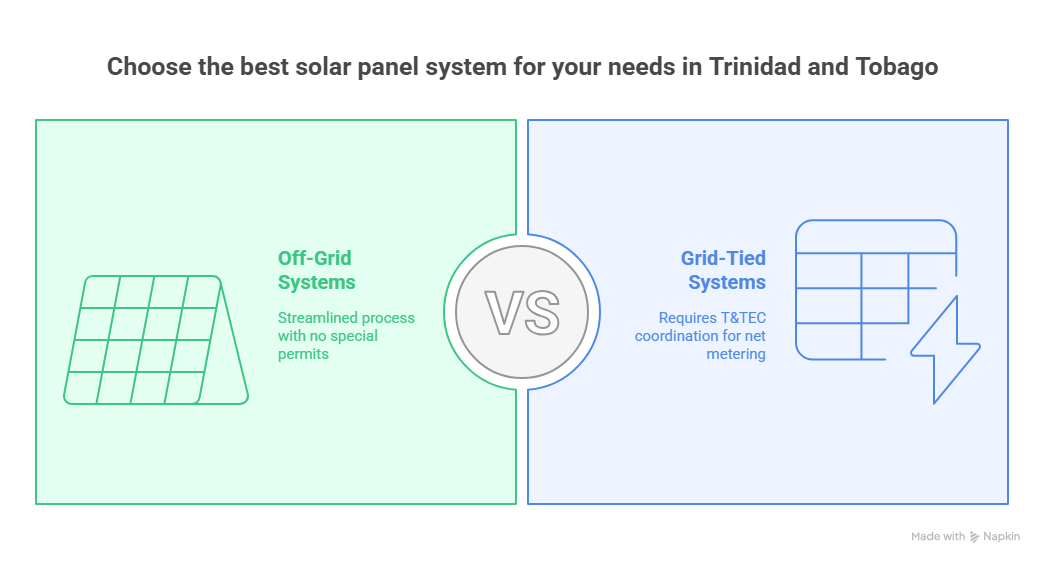
The Regulated Industries Commission (RIC) oversees the electricity sector, and while they maintain certain guidelines for grid-tied systems, residential solar installations face minimal regulatory hurdles. For off-grid systems—those not connected to T&TEC’s network—the process is particularly streamlined, requiring no special permits or approvals.
However, if you’re considering a grid-tied system with net metering capabilities, you’ll need to coordinate with T&TEC to ensure compliance with their interconnection standards. It’s a process that sounds more daunting than it actually is, typically involving a straightforward application and safety inspection.
The Solar Company Ecosystem in Trinidad
The solar companies in Trinidad and Tobago landscape has evolved dramatically over the past decade. From a handful of pioneering installers to a robust network of certified professionals, the industry now offers choices that cater to every budget and requirement.
Leading local companies have established partnerships with international manufacturers, ensuring access to tier-one solar panels and components. This means you’re not compromising on quality despite our relatively small market size. Companies like Trifactor Solar have built reputations on delivering turnkey solutions that combine global technology with local expertise.
When selecting an installer, consider their track record, warranty offerings, and post-installation support. The best companies provide comprehensive service packages that include system monitoring, maintenance scheduling, and performance guarantees that protect your investment.
Powering Your World: What Can Solar Actually Run?
Can I Run AC on a Solar Panel?
The question that keeps many Trinidadians awake at night (literally, when the power cuts and the AC stops working) is whether solar can handle our air conditioning needs. The answer is a resounding yes—with proper planning.
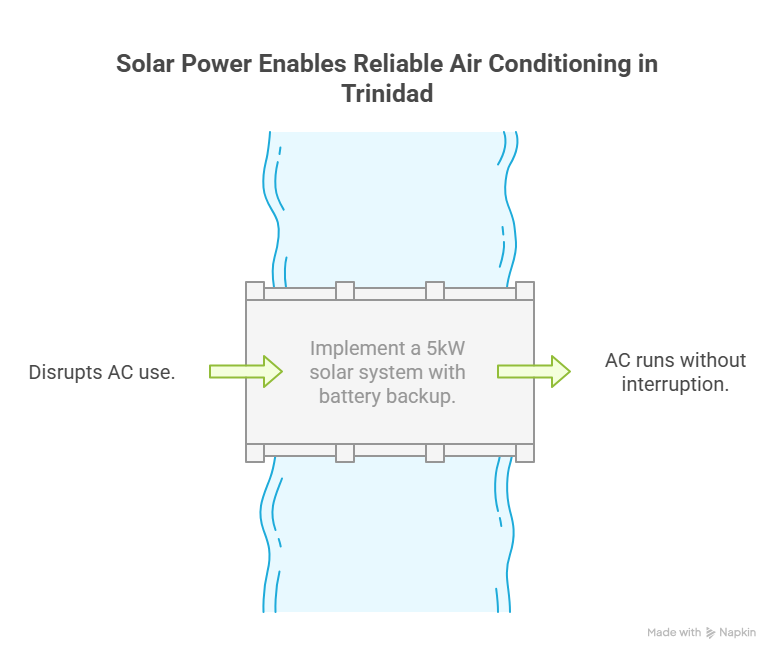
Running air conditioning on solar power is not only possible but increasingly common. A typical split-unit AC system consuming 1,500-2,000 watts can absolutely run on a well-designed solar installation. The key is ensuring your system is sized appropriately and includes adequate battery storage for nighttime operation.
Consider this scenario: A 5kW solar system with battery backup can comfortably handle one or two AC units while maintaining power for other essential appliances. During peak sunshine hours, your panels generate excess energy that charges batteries and potentially feeds back into the grid if you’re connected.
What Will a 3000 Watt Solar Panel Run?
A 3000-watt solar system offers impressive versatility for the average Trinidadian household. Think of it as your energy Swiss Army knife. It’s compact, efficient, and capable of handling multiple tasks simultaneously.
Here’s what you can realistically power with a 3kW system:
Essential Appliances:
- Refrigerator (150-200W continuous)
- LED lighting throughout your home (200-300W total)
- Television and entertainment system (150-250W)
- Ceiling fans (75W each)
- Water pump (500-750W intermittent)
- Small appliances like microwaves (800-1000W when operating)
Air Conditioning Considerations: A 3kW system can handle one medium-sized AC unit (1,200-1,500W) during peak solar production hours. With battery storage, you can extend AC operation into evening hours, though you’ll need to balance usage with other electrical demands.
The beauty of solar lies in its scalability. Start with a 3kW system and expand as your needs grow or budget allows. Many successful solar adopters began with smaller installations and added capacity over time.
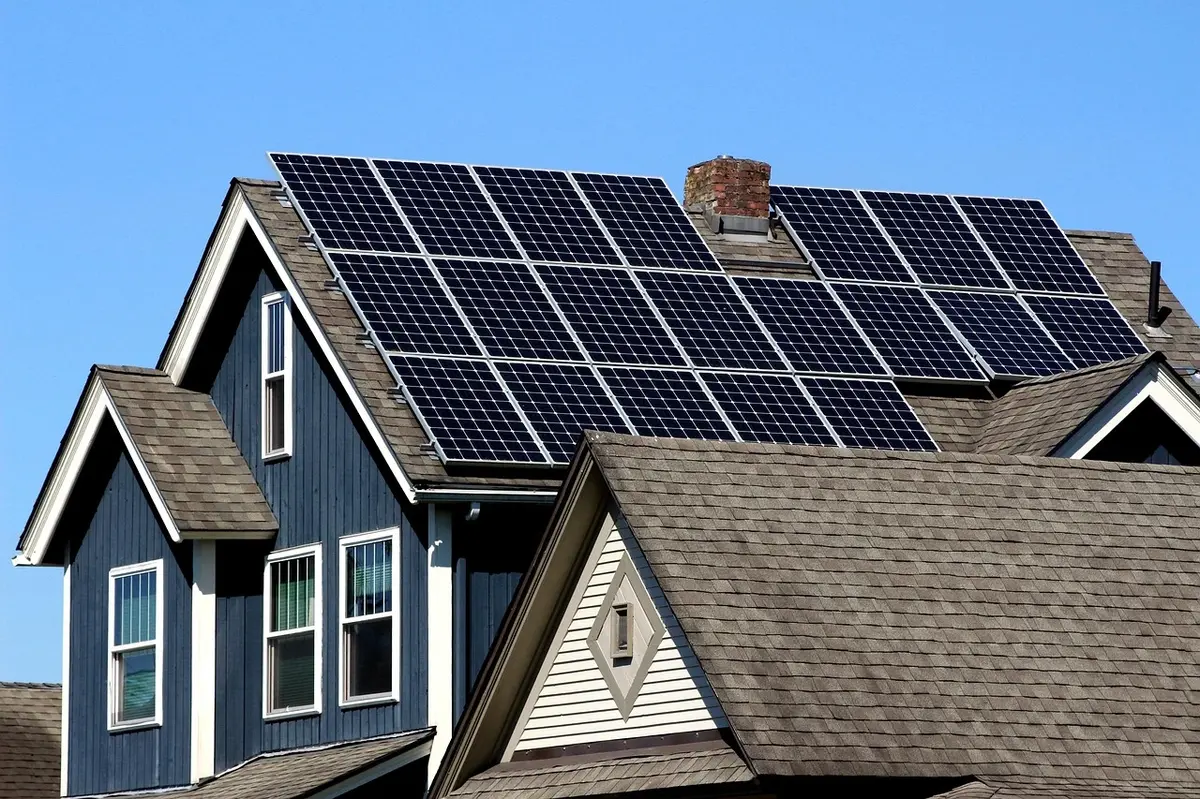
The 5kW Sweet Spot: Maximum Versatility
For many Trinidadian families, a 5kW solar system represents the perfect balance of capability and investment. This capacity transforms your relationship with electricity from rationing to abundance.
What Can Run on a 5kW Solar System:
- Multiple air conditioning units (2-3 units depending on size)
- Full household lighting and fans
- All kitchen appliances including large refrigerator/freezer
- Washing machine and dryer
- Computer equipment and home office setup
- Pool pump and outdoor lighting
- Water heater (electric backup systems)
The magic number for many installations hovers around 5kW because it provides enough capacity for comfortable modern living while maintaining reasonable payback periods. You’re not constantly calculating power consumption—you’re simply living normally while the sun pays your electricity bill.
Ready to transform your home with solar energy?
Contact IGECON for your personalised assessment Today. We are certified solar panel installers located in Trinidad that work towards giving you energy independence and a sustainable living in our Caribbean paradise.
Click Here to Call Us at: +18687708573
Click Here to Whatsapp Us at: +18687708573
Click Here to Email Us at: igecon_limited@yahoo.com
Understanding Solar Water Heaters
While photovoltaic panels capture headlines, solar water heaters in Trinidad deserve equal attention. These elegantly simple systems can reduce your electricity consumption by 40-60% while providing consistent hot water throughout the year.
Solar water heater costs in Trinidad typically range from TT$8,000 to TT$15,000 for residential installations, making them one of the most cost-effective renewable energy investments available. The payback period often runs just 3-5 years, after which you’re essentially getting free hot water courtesy of Caribbean sunshine.
The technology is refreshingly straightforward: dark-coloured collector panels absorb solar energy, heating water that circulates through the system. Insulated storage tanks maintain temperature overnight, ensuring hot water availability even after sunset.

Solar Panels Maintenance and Longevity
Do Solar Panels Need Maintenance?
One of solar energy’s most attractive characteristics is its low maintenance requirements. Unlike mechanical systems with moving parts, solar panels operate silently and reliably with minimal intervention. Solar panel maintenance in Trinidad primarily involves:
Monthly Tasks:
- Visual inspection for obvious damage or debris
- Hosing down panels to remove dust and bird droppings
- Checking battery indicators (for off-grid systems)
Annual Professional Service:
- Electrical connection inspection and tightening
- Inverter performance testing
- Battery maintenance (if applicable)
- System performance analysis
The tropical climate presents unique considerations. Salt air in coastal areas can accelerate corrosion if components aren’t properly specified, while seasonal Sahara dust requires more frequent cleaning than temperate climates experience.
What is the Lifespan of Solar Panels?
Quality solar panels installed in Trinidad typically carry 25-year performance warranties, but their actual lifespan often extends well beyond three decades. Solar panel lifespan depends on several factors:
Quality Factors:
- Tier-one manufacturers use premium materials and rigorous testing
- Professional installation prevents stress-related failures
- Appropriate mounting systems resist hurricane-force winds
Environmental Considerations:
- UV exposure in tropical climates can accelerate some degradation
- Salt air requires marine-grade components
- Proper drainage prevents water damage during heavy rains
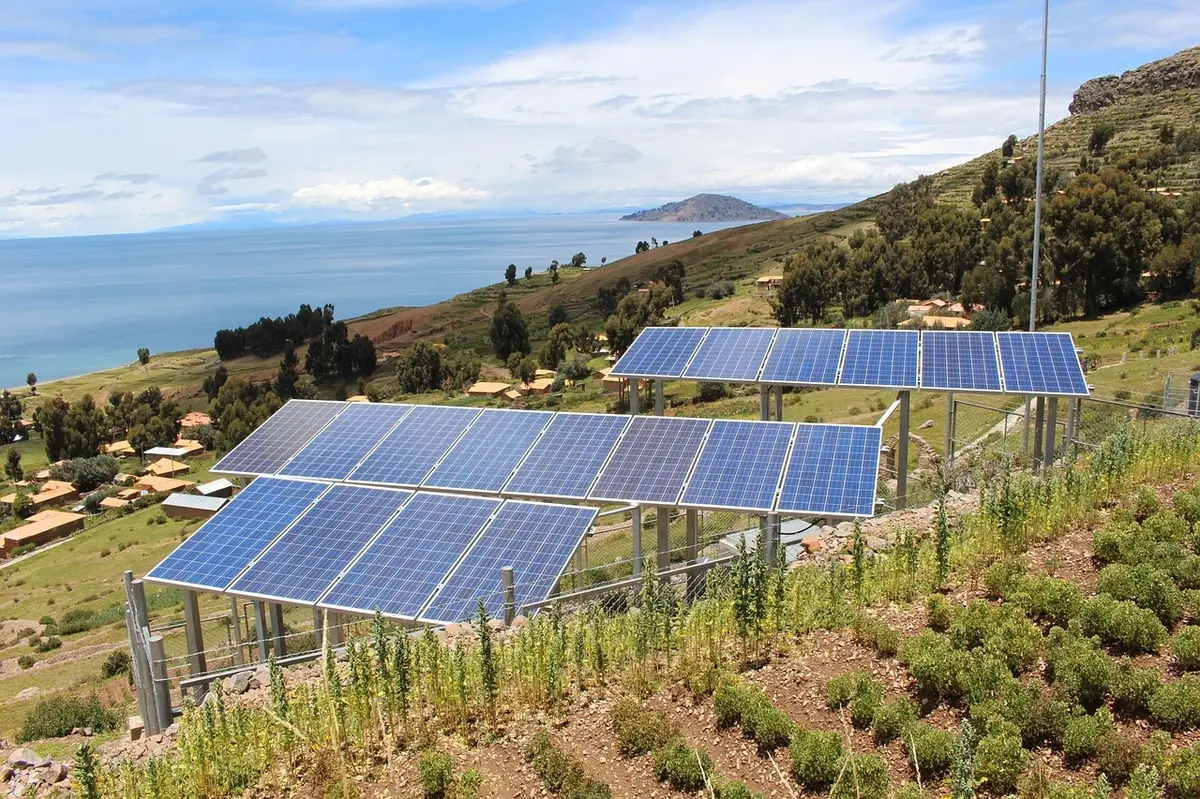
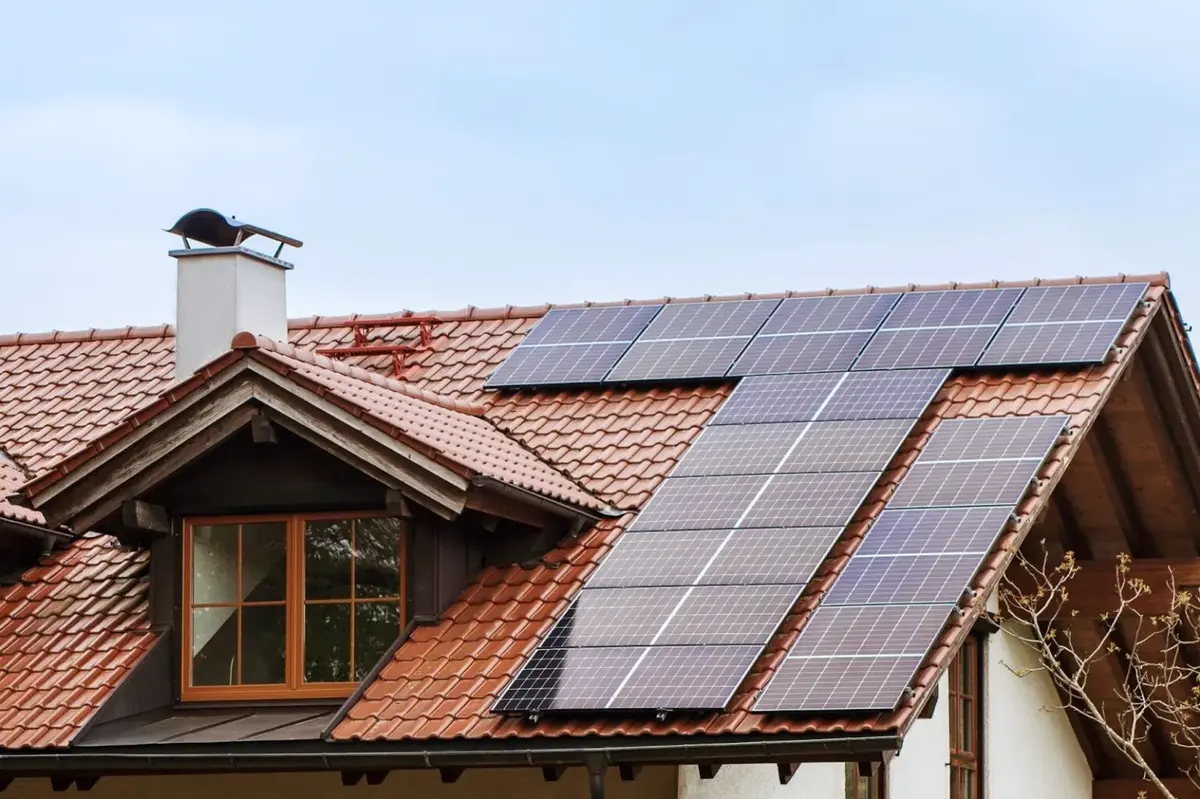
Performance Degradation: Most quality panels lose approximately 0.5-0.8% efficiency annually, meaning a panel producing 300W today might generate 270W after 25 years—still highly productive and cost-effective.
Do Solar Panels Work at Night?
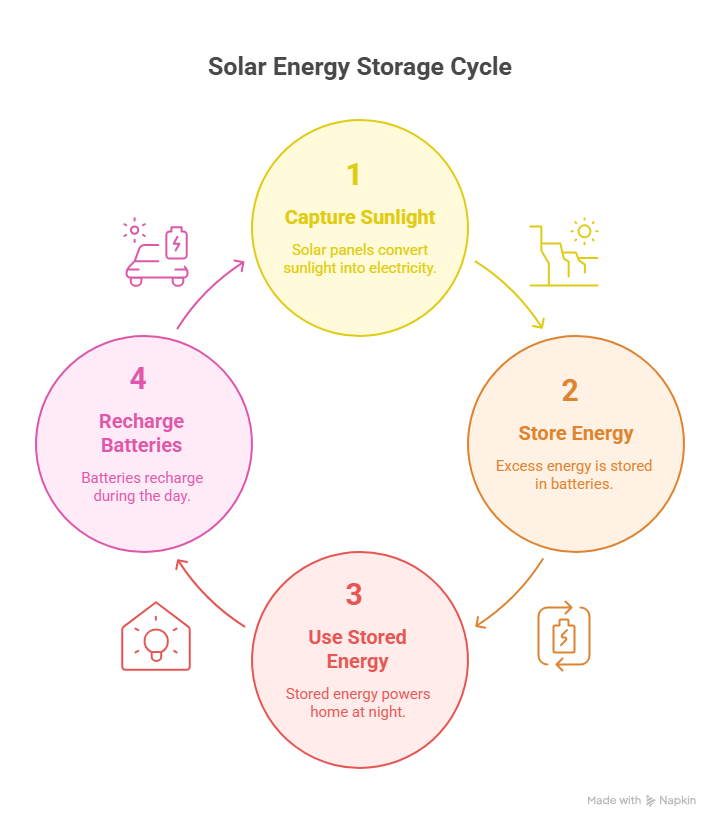
This question reveals a common misconception about solar technology. Solar panels do not generate electricity at night—they require sunlight to produce power through the photovoltaic effect. However, this doesn’t mean your solar-powered home goes dark after sunset.
The solution lies in energy storage systems that capture excess daytime production for nighttime use. Modern battery technologies, particularly lithium-ion systems, provide reliable overnight power while maintaining compact footprints and long service lives.
Battery Storage Options:
- Lead-acid batteries: Lower initial cost, 3-5 year lifespan
- AGM batteries: Maintenance-free, 5-7 year lifespan
- Lithium-ion batteries: Premium option, 10-15 year lifespan
- Saltwater batteries: Emerging technology, environmentally friendly
A properly sized battery bank stores enough energy to power essential loads through the night and into the following morning if needed. The key is balancing storage capacity with cost while ensuring you have adequate backup for critical appliances.
Solar Installation: How Many Solar Panels Do You Actually Need?
Solar Panels to Power a House
The answer to “how many solar panels to power a house” depends entirely on your specific energy consumption patterns and lifestyle preferences. A typical Trinidadian home consuming 800-1,200 kWh monthly might require anywhere from 15-30 panels, depending on individual panel wattage and system efficiency.
Calculation Framework:
- Determine monthly electricity usage (check T&TEC bills)
- Calculate daily average consumption
- Account for solar irradiance in your area
- Factor in system losses (inverter efficiency, wiring, etc.)
- Add capacity buffer for future needs
Example Calculation for Average Home:
- Monthly consumption: 1,000 kWh
- Daily average: 33 kWh
- Required solar capacity: 6-7 kW
- Panel count: 20-25 panels (300W each)
This mathematical approach provides a baseline, but your actual requirements might vary based on energy efficiency improvements, lifestyle changes, or future electric vehicle adoption.
The AC Challenge: How Many Solar Panels Does It Take to Power an AC?
Air conditioning represents the largest electrical load in most Trinidadian homes, making “how many solar panels does it take to power an AC” a critical planning question.
AC Power Requirements:
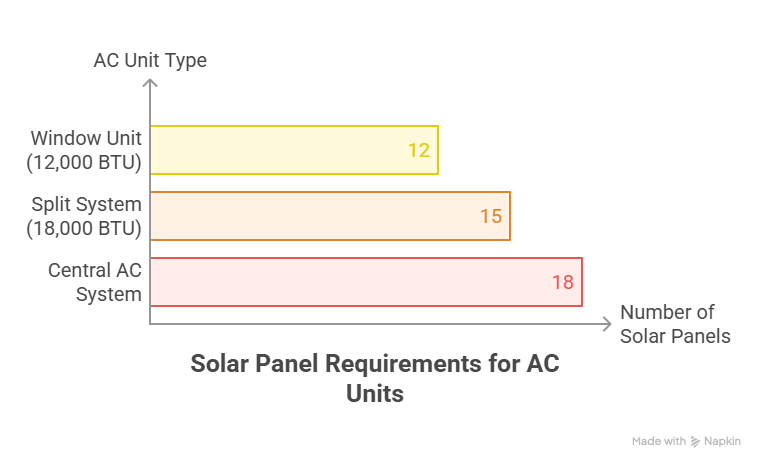
- Window unit (12,000 BTU): 1,200-1,500W
- Split system (18,000 BTU): 1,800-2,200W
- Central AC system: 3,000-5,000W
Solar Panel Requirements: For a typical 1,500W AC unit running 8 hours daily:
- Daily consumption: 12 kWh
- Required solar generation: 15-18 kWh (accounting for inefficiencies)
- Panel requirement: 12-15 panels (300W each)
Remember that AC systems don’t run continuously—they cycle on and off maintaining temperature. Actual consumption often runs 50-70% of rated capacity, reducing your solar requirements accordingly.
Portable Solar Generators
Portable solar generators Trinidad represents an emerging category that bridges the gap between permanent installations and temporary power needs. These self-contained units combine solar panels, batteries, and inverters in portable packages perfect for:
Emergency Preparedness:
- Hurricane season backup power
- Camping and outdoor adventures
- Remote work locations
- Construction sites
Capacity Options:
- Small units (500-1000Wh): Phones, laptops, LED lights
- Medium units (1000-2000Wh): Small appliances, CPAP machines
- Large units (2000Wh+): Refrigerators, power tools, medical equipment
These systems offer the flexibility to relocate power generation while providing valuable experience with solar technology before committing to permanent installations.
Inverters and System Components
Solar Inverter Trinidad: The Heart of Your System
The solar inverter Trinidad market has evolved to offer sophisticated solutions that optimize energy harvest while providing comprehensive monitoring capabilities. Your inverter choice significantly impacts system performance, reliability, and expandability.
Inverter Types:
- String inverters: Cost-effective for simple installations
- Power optimizers: Enhanced performance monitoring
- Microinverters: Maximum flexibility and efficiency
- Hybrid inverters: Integrated battery charging capabilities
Key Selection Criteria:
- Efficiency ratings (look for >97%)
- Warranty terms (10+ years minimum)
- Monitoring capabilities
- Grid-tie functionality
- Battery compatibility
Modern inverters include WiFi connectivity and smartphone apps that provide real-time performance data, helping you understand your system’s behavior and identify potential issues before they impact production.

Investment Analysis: The Economics of Going Solar
Understanding Feed-in Tariffs and Grid Connection
While Trinidad doesn’t currently offer generous feed-in tariffs like some international markets, grid-tied systems still provide value through net metering arrangements. Excess energy production during peak sun hours offsets consumption during evening and cloudy periods.
Economic Benefits:
- Immediate electricity bill reductions
- Protection against rate increases
- Property value enhancement
- Energy independence and security
Financial Considerations:
- Upfront investment vs. long-term savings
- Financing options and payment plans
- Government incentives and tax implications
- Insurance considerations for system protection
The economic equation becomes increasingly favourable as electricity rates rise and solar component costs continue declining. Many homeowners achieve complete payback within 8-12 years while enjoying 15+ years of essentially free electricity afterward.
Future-Proofing Your Investment: Trends and Innovations
Smart Grid Integration and Energy Management
The future of solar panels installations in Trinidad lies in intelligent energy management systems that optimize consumption patterns and storage utilization. Smart home integration allows your solar system to communicate with appliances, automatically shifting energy-intensive tasks to peak production hours.
Emerging Technologies:
- Bifacial panels capturing reflected light
- Flexible panels for unique installation challenges
- Improved battery chemistry reducing costs
- AI-powered energy optimization
Grid Evolution:
- Virtual power plants combining residential systems
- Peer-to-peer energy trading platforms
- Enhanced grid stability through distributed generation
- Electric vehicle integration as mobile storage

Climate Resilience and Hurricane Preparedness
Trinidad’s location in the hurricane belt makes system resilience a critical consideration. Modern installations incorporate features specifically designed for extreme weather survival:
Structural Engineering:
- Hurricane-rated mounting systems
- Aerodynamic panel frames reducing wind load
- Rapid shutdown systems for safety
Backup Power Planning:
- Essential load panels for critical circuits
- Generator integration for extended outages
- Expandable battery storage for growing needs
Making the Decision: Your Solar Journey Begins
The transition to solar energy in Trinidad represents more than an environmental choice—it’s a lifestyle upgrade that combines financial wisdom with technological sophistication. Like selecting the perfect timepiece or tailoring a suit, choosing solar requires understanding your needs, appreciating quality, and thinking long-term.
The sun that bathes our islands in warmth and light offers an abundant, renewable resource that transforms ordinary homes into energy-producing assets. Whether you’re motivated by environmental consciousness, economic pragmatism, or simple fascination with cutting-edge technology, solar panels provide a compelling solution that improves with time.
Your Next Steps:
- Assess your current energy consumption patterns
- Research qualified installers and obtain multiple quotes
- Consider financing options that align with your budget
- Plan for future energy needs and system expandability
- Schedule your consultation with a certified solar professional
The Caribbean sun doesn’t wait for perfect timing—it shines reliably every day, offering free energy to those wise enough to capture it. Your solar journey begins with a single decision: choosing to harness the power that’s been illuminating our paradise all along.
In the sophisticated world of renewable energy, solar panels aren’t just about generating electricity—they’re about generating possibilities. The question isn’t whether you can afford to go solar in Trinidad; it’s whether you can afford not to.


2 responses
Hello, can you let me know what the estimated cost might be to install a solar panel system for a 3 bedroom flat house? Based on my TTEC bills, my monthly usage is approximately 1200kW.
I am thinking about a full system inclusive of batteries and if possible, tied back to the TTEC grid. My house is a 70′ x 30′ in dimension.
Thank you.
Hello Nigel, thank you for reaching out and sharing the details of your home and energy usage. To provide you with an accurate estimate, a site visit will be required. This allows us to assess your roof structure, orientation, shading, and other factors that influence system design and cost.
Once the site assessment is complete, we can prepare a proposal tailored to your monthly usage of approximately 1200 kWh, including options for battery storage and grid-tied integration with TTEC.
Would you like us to schedule a visit at your convenience? You can fill out our form to schedule a visit by clicking here schedule a call or by giving us a call at +1 (868) 770-8573
Best regards,
Simone St. Cyr